Architectural design is undergoing a noticeable transformation—one where windows are no longer treated as secondary elements but as defining features of a home’s identity. Once viewed as simple sources of light and ventilation, windows have evolved into focal points that shape aesthetics, spatial flow, and the relationship between indoor and outdoor environments. This shift is
Architectural design is undergoing a noticeable transformation—one where windows are no longer treated as secondary elements but as defining features of a home’s identity. Once viewed as simple sources of light and ventilation, windows have evolved into focal points that shape aesthetics, spatial flow, and the relationship between indoor and outdoor environments. This shift is being driven by innovations in materials, design flexibility, and a growing desire for homes that feel both expansive and connected to nature.
Windows as Architectural Statements
Traditionally, windows were selected to meet basic functional needs, often following standardized sizes and placements dictated by builders. Today, however, architects and homeowners are rethinking that approach. Large-format custom windows are now being used to frame views, emphasize geometry, and anchor entire elevations of a home.
Rather than blending into the background, these windows serve as visual statements. A single oversized pane can replace multiple smaller units, simplifying lines and creating a more modern aesthetic. This shift allows windows to dictate how a space feels—bright, open, and intentional—rather than merely supporting it.
The Rise of Oversized Picture Windows
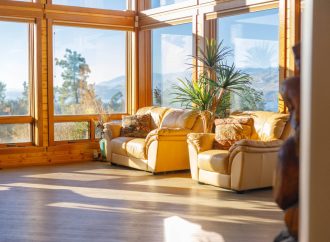
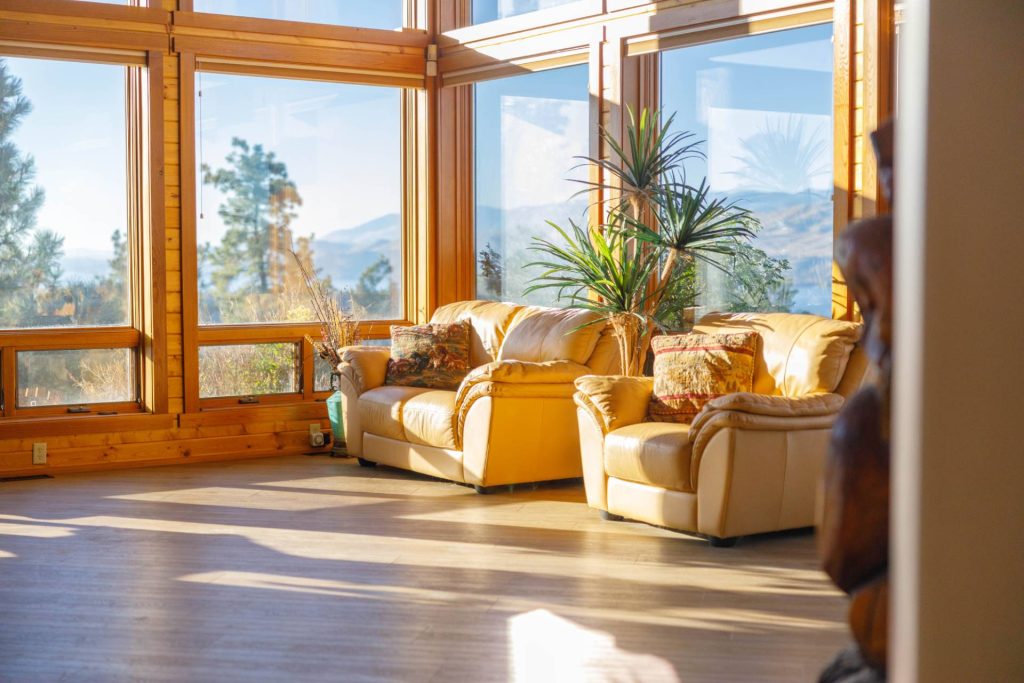
One of the most prominent trends defining this movement is the growing popularity of oversized picture windows. These expansive glass panels offer uninterrupted views and flood interiors with natural light. By minimizing visual barriers, they create a seamless connection between inside and outside.
Oversized picture windows are especially effective in living rooms, kitchens, and transitional spaces where openness is key. They can make even modest homes feel larger by visually extending the interior into the surrounding landscape. For homeowners considering window replacement, upgrading to larger, custom-sized picture windows can dramatically alter both the look and feel of a space without requiring a full renovation.
European Influence: Tilt-and-Turn Functionality
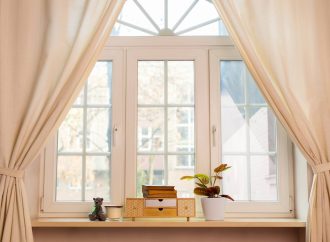
Another defining trend in modern window design is the adoption of European-style tilt-and-turn units. These versatile windows offer dual functionality: they can tilt inward from the top for controlled ventilation or swing open like a door for full access.
Beyond their practicality, tilt-and-turn windows contribute to a sleek, contemporary aesthetic. Their clean lines and minimal hardware complement modern architecture, while their flexibility enhances everyday usability. As more homeowners seek both style and performance, these windows are becoming a preferred choice in custom builds and high-end renovations alike.
Frame Colors Inspired by Nature
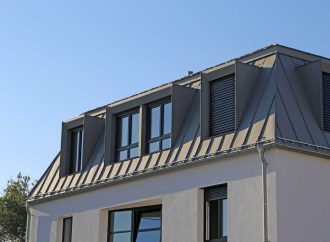
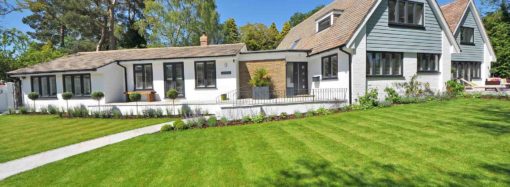
In addition to size and functionality, color is playing a significant role in redefining window design. Neutral white frames, once the default, are giving way to more expressive and nature-inspired tones. Matte finishes in colors like anthracite gray and forest green are gaining popularity for their ability to blend with both modern and organic design palettes.
These colors do more than add visual interest—they help integrate the home with its surroundings. Darker tones can create contrast against light exteriors, while green hues echo natural landscapes. This subtle alignment with nature reinforces the broader trend toward biophilic design, where elements of the natural world are intentionally incorporated into built environments.
Transforming Layout Through Customization
Perhaps the most impactful aspect of this shift is how custom window sizing can reshape a home’s layout. Standard builder-grade windows often limit design possibilities, leading to predictable room configurations and lighting patterns. In contrast, custom windows allow for tailored placements that align with how a space is actually used.
A well-placed large window can redefine a room’s focal point, eliminate the need for artificial lighting during the day, and even influence furniture arrangement. For a custom home builder, windows are no longer an afterthought but a central component of the design process. By prioritizing window placement early on, builders can create homes that feel more cohesive, functional, and visually compelling.
Strengthening the Indoor-Outdoor Connection
At the heart of this movement is a desire to strengthen the connection between indoor living spaces and the natural world. Large-format windows act as visual bridges, bringing in natural light, outdoor views, and a sense of openness that enhances well-being.
This connection is especially valuable in urban and suburban settings, where access to nature may be limited. By incorporating expansive glass elements, homeowners can create a sense of retreat within their own spaces. The result is an environment that feels calmer, more inviting, and more aligned with modern lifestyle priorities.
The architectural landscape of 2026 is defined by a clear shift: windows are no longer passive features but active design elements that shape how homes look and feel. From oversized picture windows to versatile tilt-and-turn designs and nature-inspired frame colors, the trend toward customization is transforming residential spaces in meaningful ways.
Whether through thoughtful window replacement or collaboration with a custom home builder, embracing large-format, custom windows offers an opportunity to redefine a home’s character. In doing so, homeowners are not just updating their spaces—they are creating environments that are brighter, more connected, and distinctly modern.