Designing a striking home exterior requires looking beyond individual building materials and focusing on how every element works together. Many homeowners fall into the trap of selecting roof shingles, wall cladding, and accent trims as isolated choices. However, these distinct elements form the primary visual identity and protective barrier of your property. Whether you are
Designing a striking home exterior requires looking beyond individual building materials and focusing on how every element works together. Many homeowners fall into the trap of selecting roof shingles, wall cladding, and accent trims as isolated choices. However, these distinct elements form the primary visual identity and protective barrier of your property. Whether you are consulting a professional roofing company to replace an aging upper roof or exploring modern vinyl and composite siding options, creating a cohesive exterior palette transforms standard house designs into breathtaking architectural statements.
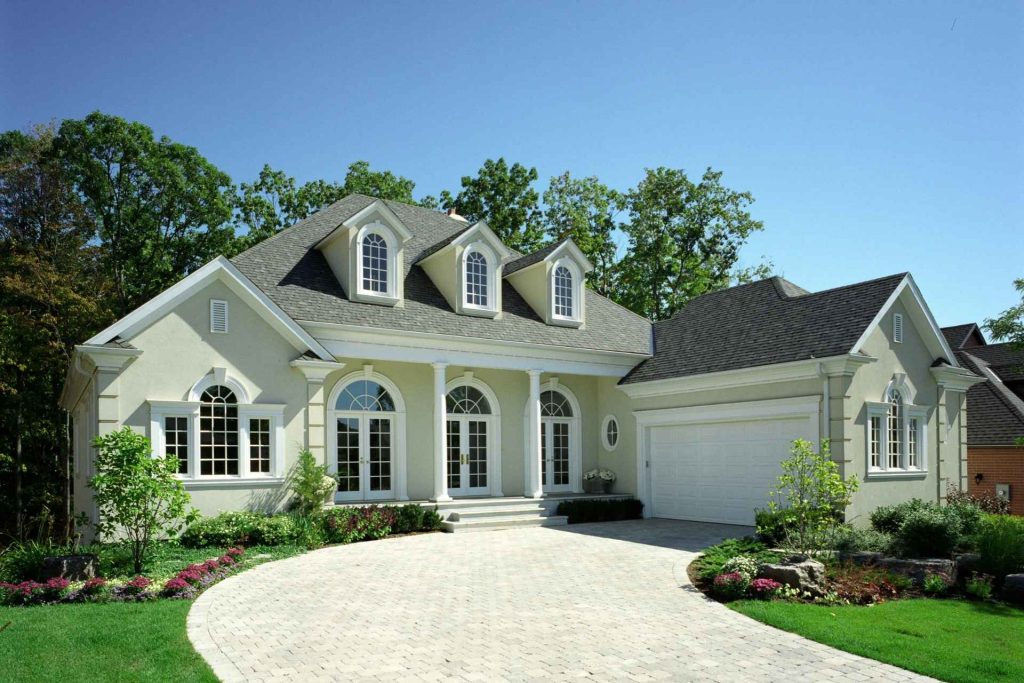
A well-planned exterior balances colour value, material texture, and architectural proportion. When siding, roofing, and trim materials complement one another, they create visual harmony that enhances structural lines and significantly increases overall curb appeal. Understanding the fundamentals of colour theory, material interaction, and architectural accenting allows property owners to select materials that look intentional, beautiful, and timeless.
The Quick Edit
- The 60-30-10 Exterior Colour Rule: Allocate 60% of your exterior to dominant wall siding, 30% to secondary roof shingles and massing, and 10% to high-contrast trim and door accents.
- Warm vs. Cool Undertones: Pair cool grey or black roof shingles with crisp white, blue, or slate siding, while matching warm brown or multi-tone asphalt shingles with cream, beige, or earth-toned walls.
- Textural Contrast: Combine varied material surfaces—such as smooth horizontal lap siding, vertical board and batten accents, architectural roof shingles, and crisp trim boards—to add depth without visual clutter.
The Core Principles of Exterior Palette Design
Creating a cohesive building exterior starts with understanding visual hierarchy. Just as interior designers use foundational colour rules to balance living rooms, exterior home design relies on clear structural proportions to prevent architectural elements from competing for attention. Following a balanced distribution prevents any single material from overpowering the structure, ensuring a cohesive look from every street angle.
The most effective framework for exterior planning is the 60-30-10 design rule:
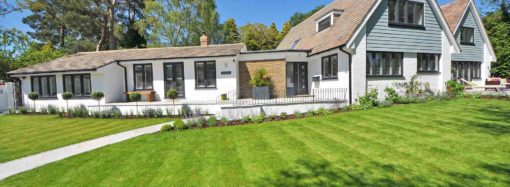
- 60% Dominant Colour (Siding): The primary wall cladding covers the largest surface area of your home. This dominant shade sets the overall mood, whether you choose classic off-white, deep navy, modern charcoal, or warm beige.
- 30% Secondary Colour (Roofing & Massing): Roof planes comprise a massive portion of your home’s visual profile. The colour and texture of your asphalt shingles, standing seam metal, or composite tiles serve as the anchor balancing the primary wall colour.
- 10% Accent Colour (Trim, Doors, & Shutters): Window casings, corner boards, soffits, fascia, and entry doors provide crisp framing lines that tie the dominant siding and secondary roofing colours together.
Matching Undertones: Managing Warm and Cool Colour Palettes
One of the most common design mistakes in exterior home remodelling is mixing conflicting colour undertones. Colours are broadly categorized as warm (containing red, orange, or yellow base notes) or cool (containing blue, green, or grey base notes). Failing to match undertones between roof shingles and wall siding leads to a visual disconnect where elements clash rather than harmonize.
Working with Cool Colour Palettes
Cool exterior palettes are a staple of contemporary, modern farmhouse, and coastal architectural styles. Cool roof shades include true black, dark charcoal, slate grey, and deep blue-grey metal panels.
When pairing cool roofing materials, select siding colours with matching cool undertones:
- Crisp Off-White and Light Grey: Creates a classic, high-contrast look when framed with bright white window trims and dark roof lines.
- Slate Blue and Muted Sage: Provides subtle colour depth while maintaining a sophisticated, calm aesthetic against dark grey shingles.
- Charcoal on Charcoal: Utilizing monochrome shades—such as dark grey siding paired with black roofing—delivers a dramatic, high-end modern appearance when highlighted with natural wood accent trims.
Working with Warm Colour Palettes
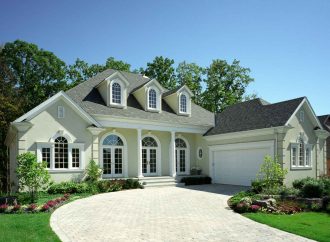
Warm exterior palettes suit traditional, craftsman, colonial, and rustic home architecture. Warm roofing options include bark brown, weathered wood shingles, terracotta tiles, and warm bronze metal accents.
To create a unified look with warm roofing, select wall cladding featuring complementary warm undertones:
- Warm Cream and Soft Beige: Offers a welcoming, timeless appearance that pairs seamlessly with brown architectural shingles.
- Earthy Taupe and Olive: Blends naturally into wooded or suburban landscapes, balancing rich timber accents and warm roof tones.
- Classic Red Brick and Cedar Tones: Highlights traditional masonry craftsmanship when framed with warm bronze or off-white window trims.
Balancing Material Textures for Depth and Dimension
Colour provides the foundation of a cohesive exterior, but material texture adds rich visual interest. A home featuring flat colours across every surface can look monochromatic and plain. Combining varied material surfaces creates subtle light and shadow play across your building envelope, making the entire home feel custom and intentionally designed.
Combining Siding Orientations
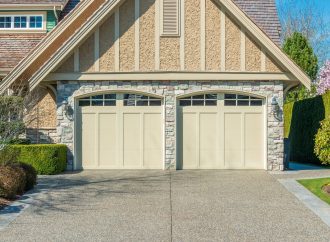
Mixing different siding profiles breaks up expansive wall planes on two-story homes or large gables. For example, installing standard horizontal lap siding across the main level while adding vertical board and batten panels inside upper gable peaks draws the eye upward, creating the illusion of height.
Adding textured shake or shingle accents around entryway dormers introduces organic shadow lines. These small architectural details make the front facade feel refined and visually dynamic.
Roof Texture and Architectural Shingles
Modern architectural asphalt shingles feature multi-layered construction that creates deep dimensional shadow lines, mimicking authentic wood shakes or natural slate. Pairing dimensional asphalt shingles with smooth, clean siding panels establishes a pleasing balance between wall surfaces and roof massing.
If you opt for a sleek, flat-profile standing seam metal roof, material balance becomes even more critical. Consider pairing metal roofing with textured board and batten siding or natural stone veneer bases to prevent the overall house from looking overly industrial.
The Power of Trim: Framing Your Exterior Features
Trim components act as the architectural outline of your home. Window casings, corner boards, eaves, fascia, and door surrounds define clear transitions between different building materials and colours. Selecting the right trim shade anchors your overall palette and binds distinct structural zones into a unified picture.
The High-Contrast White Trim Classic
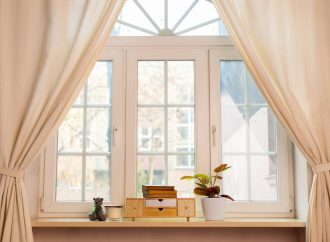
Bright white or off-white trim remains the most popular choice across North America for good reason. White trim outlines window frames and rooflines sharply, creating a clean divider between dark roof shingles and colored siding.
This classic approach creates incredible versatility for homeowners. White trim works exceptionally well with medium-to-dark siding shades, such as slate grey, forest green, deep navy, and classic red brick.
Modern Dark Trim and Monochromatic Framing
In modern architectural design, dark trim—such as black, iron grey, or deep bronze—has gained immense popularity. Dark window casings and fascia boards frame architectural glass panels boldly, giving homes a sleek, modern edge.
When using dark trim, pairing it with lighter siding creates a striking contrast that emphasizes clean geometric lines. Soft off-white or light grey walls make dark trim pop without making the house feel visually heavy.
Alternatively, using dark trim on dark siding creates an ultra-modern, monochromatic silhouette. In these designs, subtle material textures take center stage while the framing creates a seamless, grounded look.
Accent Entry Doors and Curb Appeal Focal Points
While siding, roofing, and trim follow strict palette harmony, your front entry door presents an opportunity to introduce a bold accent colour. A bright red, deep yellow, natural stained wood, or vibrant turquoise front door serves as an inviting focal point that draws visitors toward the entrance.
This design strategy brings energy to your entrance without overwhelming the rest of the build. Because the door accounts for a small portion of the overall exterior envelope, a bright accent colour energizes the entire facade without disrupting the cohesive balance of the surrounding siding and roof lines.
Long-Term Durability and Material Maintenance
Achieving a cohesive exterior is not just about initial appearance; it requires selecting high-performance materials that maintain their colour and texture through years of weather exposure. Harsh environmental conditions can quickly ruin an otherwise perfect colour scheme if materials degrade unevenly.
UV radiation from solar exposure can fade cheap siding paints and break down low-grade asphalt shingles over time. This solar wear often leads to uneven discoloration across your home’s sunny and shaded sides, destroying palette consistency.
Choosing factory-finished siding products ensures long-term colour retention and resistance to chalking. Options like colour-infused vinyl, pre-finished fibre cement, or factory-coated engineered wood withstand heavy weathering without fading.
Similarly, investing in high-grade architectural shingles with built-in algae resistance protects your roof’s appearance. Preventing unsightly dark streaks from forming on northern roof slopes preserves your home’s unified palette season after season.
Transforming Your Home with a Master Design Plan
Designing a cohesive exterior transforms your property into a polished, architectural landmark. By applying the 60-30-10 colour rule, matching warm or cool undertones between siding and roof shingles, balancing surface textures, and highlighting architectural features with crisp trim, you build an exterior envelope that delivers maximum visual impact.
A thoughtful material strategy protects your home against seasonal elements while maximizing curb appeal. Taking the time to plan every surface ensures your house stands out beautifully in any neighbourhood for years to come.