Upgrading your home’s building envelope is one of the most effective ways to lower energy bills and improve daily indoor comfort. While homeowners often turn to a local roofing company to stop seasonal heat loss from above, window efficiency plays an equally vital role in sealing wall perimeters. When evaluating modern choices for windows and doors,
Upgrading your home’s building envelope is one of the most effective ways to lower energy bills and improve daily indoor comfort. While homeowners often turn to a local roofing company to stop seasonal heat loss from above, window efficiency plays an equally vital role in sealing wall perimeters. When evaluating modern choices for windows and doors, the debate between double-pane and triple-pane glass is central to the conversation. Understanding the long-term energy savings, thermal performance, and financial payback period of triple-pane units helps you determine whether the extra upfront investment truly pays off.
Selecting high-efficiency windows involves looking past simple aesthetics and evaluating the thermal physics of multi-pane glazing. While double-pane windows have served as the standard for modern construction, triple-pane glass units offer superior thermal resistance, sound dampening, and interior surface temperatures. Analyzing energy reduction data, initial material costs, and regional climate demands clarifies whether triple-pane technology makes practical financial sense for your property.
The Quick Edit
- Enhanced Thermal Resistance: Triple-pane windows incorporate three glass panes, two insulating gas cavities, and double Low-E coatings, boosting thermal resistance (R-value) up to R-5 or higher.
- Realistic Payback Period: Energy cost savings typically recoup the initial price premium of triple-pane glass within 10 to 15 years in extreme cold climates.
- Beyond Energy Savings: Triple-pane glass eliminates interior drafts, stops window condensation, and provides superior exterior noise reduction that enhances overall home living comfort.
The Anatomy of a Triple-Pane Glass Unit
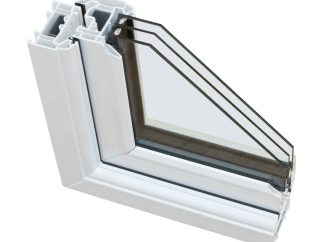
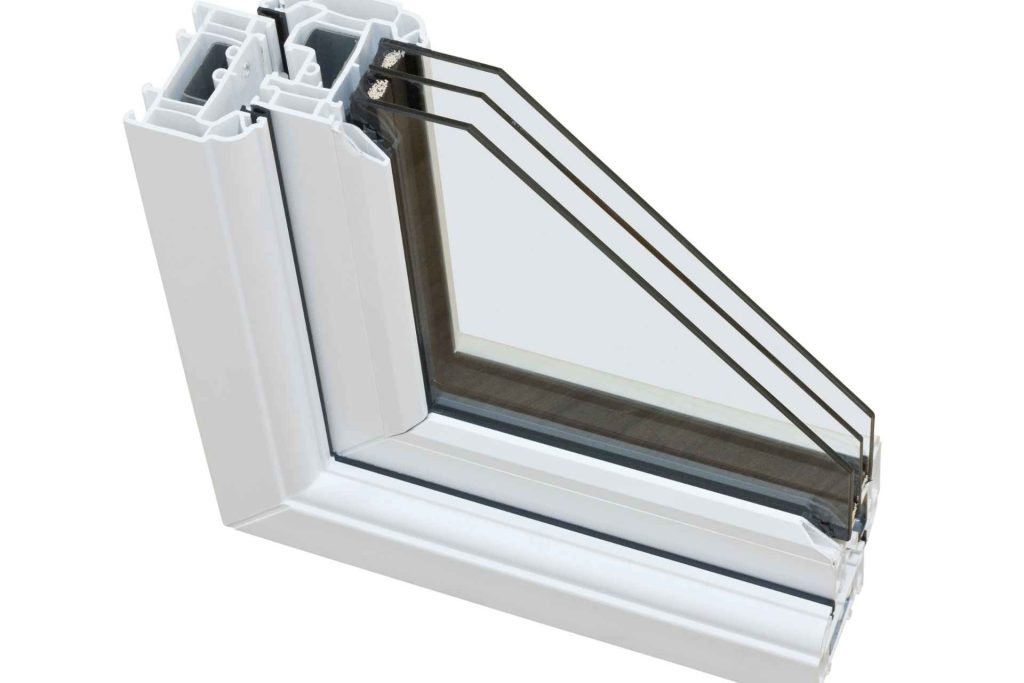
To understand why triple-pane windows perform so differently from standard double-pane options, you must look at their internal construction. A modern triple-pane insulated glass unit (IGU) contains three distinct sheets of glass separated by two insulated air gaps.
These dual internal cavities are typically filled with heavy argon or krypton gas rather than simple atmospheric air. Argon gas is denser than air, which significantly slows down convective heat transfer between the outdoor weather and indoor living spaces.
In addition to gas fills, triple-pane windows utilize microscopic Low-Emissivity (Low-E) coatings applied directly to the glass surfaces. These metallic oxide coatings reflect radiant heat energy back inside during winter while blocking solar heat gain during summer months.
Because triple-pane units feature two internal cavities, manufacturers can apply two separate Low-E coatings. This double-layer setup effectively traps furnace heat inside your home during severe winter weather while keeping summer heat outside.
Calculating Energy Savings: U-Factors and R-Values
Evaluating window efficiency requires understanding how thermal performance is measured in the building industry. Window performance is primarily tracked using U-Factor, which measures the rate of heat loss through the assembly.
A lower U-Factor indicates a more efficient window unit that resists heat transfer. Converting a window’s U-Factor into an R-value (the standard metric used for wall insulation) highlights the performance gap between glass options:
- Single-Pane Windows: Standard single-pane glass delivers an R-value of roughly R-1, offering virtually zero resistance to outdoor temperatures.
- Standard Double-Pane Windows: Quality double-pane windows with clear glass and air fills achieve an R-value between R-2 and R-3.
- High-Performance Triple-Pane Windows: Triple-pane IGUs featuring argon gas and dual Low-E coatings deliver performance ratings between R-5 and R-7.
While an R-5 window may sound low compared to an R-20 insulated wall, doubling or tripling the insulation value of your glass openings dramatically reduces whole-house thermal leakage.
Because windows account for up to 25% to 30% of total residential heating and cooling energy loss, upgrading to higher R-value glass yields immediate drops in daily energy consumption.
Analyzing the Upfront Cost vs. Long-Term Payback Period
The central question for most homeowners is whether the higher price tag of triple-pane windows generates a worthwhile return on investment. On average, triple-pane windows cost between 15% and 30% more than comparable double-pane units.
This price difference stems from the additional glass pane, extra gas fill, specialized Low-E coatings, and reinforced frame designs required to support the added weight.
Calculating your specific payback period depends heavily on your local climate zone, primary heating fuel sources, and current energy rates.
In severe cold climates subject to long, freezing winters, heating systems run continuously for six to eight months of the year. In these northern regions, switching from single-pane or aging double-pane windows to triple-pane glass can reduce household heating bills by 15% to 25% annually.
When factoring in rising electricity and natural gas utility rates, the energy savings generated by triple-pane windows typically cover their initial cost premium within 10 to 15 years.
Given that quality vinyl, fibreglass, or composite window frames last 25 to 30 years or longer, triple-pane units generate pure financial savings for more than a decade after reaching their financial payback point.
Comfort Gains That Go Beyond Financial Calculations
While financial payback calculations focus strictly on monthly utility bill reductions, triple-pane windows deliver daily comfort improvements that are hard to put a price tag on.
Eliminating Cold Perimeter Drafts
During sub-zero weather, the interior glass surface of a double-pane window drops significantly in temperature. When warm room air hits this cold glass, it cools rapidly and sinks toward the floor, creating a convection current that feels like a cold draft.
Because triple-pane units hold heat so effectively, the interior glass pane stays warm to the touch even during severe freezes. This eliminates cold convection currents, allowing you to sit right beside living room windows comfortably without feeling a chill.
Ending Interior Window Condensation
Winter condensation occurs when warm, humid indoor air meets cold glass surfaces, causing water droplets to collect along window sills. Over time, persistent moisture leads to wooden frame rot, drywall staining, and toxic mould growth.
Triple-pane windows maintain higher interior glass surface temperatures, keeping the glass above the dew point of indoor air. This high thermal barrier prevents winter condensation from forming, protecting indoor air quality and preserving your window framing.
Exceptional Acoustic Insulation
The extra glass sheet and dual air cavities in a triple-pane window act as a formidable acoustic barrier against outdoor noise. Sound waves must pass through three distinct layers of material and two gas pockets, losing significant acoustic energy along the way.
Triple-pane windows drastically reduce outdoor noise pollution, blocking traffic sounds, barking dogs, loud lawn equipment, and howling winter winds. The result is a noticeably quieter, more peaceful indoor environment.
Structural Requirements and Frame Considerations
Before purchasing triple-pane windows, homeowners must consider the structural demands of heavier glass units. Adding a third sheet of glass increases the overall weight of the insulated glass unit by roughly 50% compared to a double-pane setup.
Window frames must be strong enough to support this added weight without sagging, warping, or bowing over time. High-quality vinyl frames feature internal steel or fibreglass reinforcement channels to maintain structural rigidity.
Fibreglass and composite window frames are naturally rigid, making them ideal pairing options for heavy triple-pane glass packages.
Additionally, working with experienced professional installers ensures that window rough openings are shimmed and anchored correctly. Proper installation ensures that heavy triple-pane sashes operate smoothly and maintain airtight perimeter seals for decades.
Making the Right Choice for Your Home
Investing in triple-pane windows is one of the most effective long-term upgrades you can make to your building envelope. While the upfront cost is higher than standard double-pane glass, the combination of lower monthly utility bills, superior acoustic dampening, draft-free comfort, and eliminated winter condensation creates incredible value for homeowners in cold climate zones.
By assessing your local climate demands and long-term living plans, you can confidently choose a high-performance window package that keeps your home warm, efficient, and comfortable season after season.