
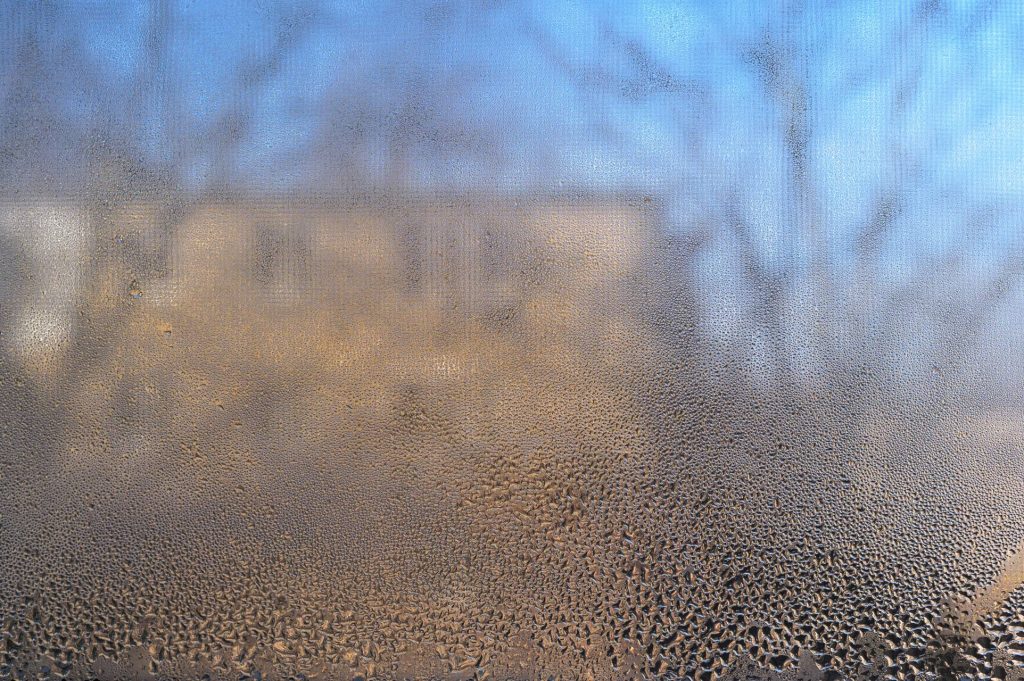
Every spring, many homeowners notice foggy windows, damp doors, and early mold signs known as the “April Fog.” While it is tempting to blame window seals, the real issue is often excess indoor humidity moving through the home. Understanding where that moisture comes from is the first step to solving the problem. This seasonal pattern
Every spring, many homeowners notice foggy windows, damp doors, and early mold signs known as the “April Fog.” While it is tempting to blame window seals, the real issue is often excess indoor humidity moving through the home. Understanding where that moisture comes from is the first step to solving the problem. This seasonal pattern often appears during freeze-thaw transitions when ventilation systems are under the most stress.
The Real Cause of “April Fog”
Condensation forms when warm, moist air meets cold surfaces like windows and doors during spring temperature swings. Everyday activities such as cooking, showering, and breathing add moisture to indoor air. Normally, ventilation removes this humidity, but when airflow is restricted, it becomes trapped and raises indoor moisture levels. Over time, this leads to condensation and potential mold growth. Home insulation levels and air leakage points can intensify the problem, especially in tightly sealed modern homes. Without balanced ventilation, moisture has no escape route, causing higher indoor relative humidity even when outdoor conditions improve.
Why Your Windows Might Not Be the Problem
Homeowners often assume condensation means failing windows, but that is not always the case. Modern windows are designed to insulate well, which can actually make condensation more visible when indoor humidity is high. Instead of replacing windows immediately, it is important to identify why moisture levels are elevated inside the home. This misdiagnosis often leads homeowners to spend money on replacements that do not address the underlying humidity source, resulting in recurring condensation each spring season.
The Hidden Role of Roof Ventilation
Your attic acts as a key part of your home’s moisture control system. When ventilation is blocked or insufficient, humid air becomes trapped and spreads throughout the house. This can raise overall humidity and contribute to condensation on windows and doors. A professional roofing company can assess whether your attic has proper airflow and recommend improvements. In many cases, attic ventilation problems develop gradually due to blocked soffit vents, insulation covering airflow channels, or insufficient ridge venting. Seasonal humidity from daily household activities rises into the attic space and becomes trapped, slowly affecting the entire building envelope over time.
Signs Your Attic Isn’t Breathing
Common warning signs include musty odors, damp insulation, frost on roof nails in colder months, and visible mold on wood surfaces. These indicators suggest moisture is not escaping properly and may be affecting the rest of the home. Addressing these issues early helps prevent more serious damage. This trapped moisture can also reduce the effectiveness of insulation, leading to uneven temperatures that worsen condensation in living spaces.
The Overlooked Role of Your Heating System
Your heating system also influences humidity balance. Poor airflow or an aging system can contribute to uneven moisture distribution throughout the home. A furnace repair specialist can evaluate performance, improve circulation, and help stabilize indoor humidity levels, effectively acting as a humidity consultant for the home. In some cases, improper duct design or clogged filters can exacerbate humidity imbalance, making professional furnace repair evaluation essential for long-term moisture control and indoor air quality improvement.
A Whole-Home Approach to Moisture Control
Solving condensation requires treating the home as a connected system. Improving attic ventilation, ensuring proper airflow, and maintaining heating equipment all work together to reduce excess humidity. Exhaust fans in kitchens and bathrooms also help remove moisture at the source, preventing buildup that leads to condensation. When homeowners coordinate ventilation improvements with heating system maintenance, they often notice reduced condensation within a single season, along with improved comfort and lower energy usage throughout the home.
When New Windows Make Sense
Once humidity and ventilation issues are addressed, upgrading windows can further improve comfort and energy efficiency. High-quality windows provide better insulation and reduce temperature differences that contribute to condensation. However, they should be installed after the root causes have been corrected, not before. This final step ensures the building envelope is properly balanced, allowing new windows to perform as intended without being overwhelmed by excess indoor humidity.
The April Fog is rarely just a window issue. In most cases, it signals a deeper imbalance in ventilation and humidity control. By addressing attic airflow, maintaining heating systems, and only then considering new windows, homeowners can eliminate condensation and protect their homes from mold and moisture damage. Homeowners who take this system-wide approach typically avoid repeated seasonal issues and protect their property value over time. Prevention is always more cost-effective than reactive home repairs overall benefits.