Homeowners often focus on the visual impact of their property—the colours, finishes, and design elements that make a house feel personal and inviting. To them, curb appeal is largely about style. However, a real estate agent views these same features through a different lens: equity. In the evolving housing market, architectural elements such as high-performance
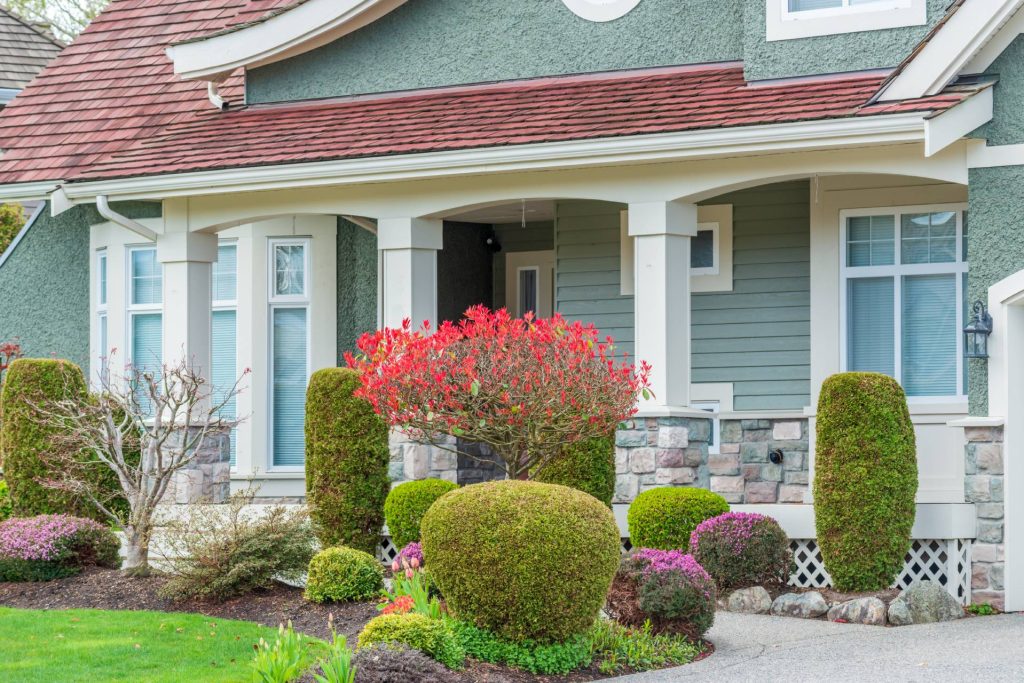
Homeowners often focus on the visual impact of their property—the colours, finishes, and design elements that make a house feel personal and inviting. To them, curb appeal is largely about style. However, a real estate agent views these same features through a different lens: equity. In the evolving housing market, architectural elements such as high-performance glass and custom entryways are not just aesthetic upgrades; they are measurable contributors to a home’s perceived and actual value.
Style vs. Equity: A Shift in Perspective
For many homeowners, investing in exterior upgrades is about creating a lasting impression. A bold front door, expansive windows, or sleek modern frames can dramatically transform a home’s appearance. While these choices are visually compelling, a real estate agent evaluates them based on how they influence buyer demand, energy efficiency, and long-term durability.
Agents are trained to look beyond surface appeal. They assess whether a feature adds functional value, reduces future costs, or aligns with current buyer preferences. In 2026, where buyers are increasingly informed and selective, features that combine aesthetics with performance tend to stand out. This means that what a homeowner sees as a stylistic upgrade may be interpreted by an agent as a strategic investment or, in some cases, a missed opportunity.
The Role of High-Performance Glass
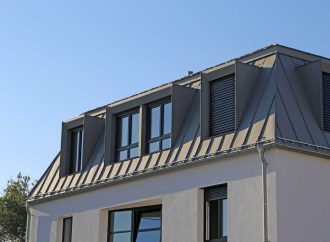
High-performance glass has become a key consideration in modern home evaluations. From a homeowner’s perspective, large, light-filled windows create an open and airy atmosphere. But to a real estate agent, these windows are evaluated based on insulation properties, UV protection, and energy efficiency ratings.
In today’s market, buyers are more conscious of energy consumption and indoor comfort. Windows that minimize heat transfer and reduce glare can make a home more appealing, particularly in regions with fluctuating climates. Agents often consider how these features contribute to lower utility costs and improved livability.
Additionally, high-performance glass can enhance a home’s perceived quality. When paired with modern framing systems, it signals thoughtful construction and attention to detail. This perception can play a significant role during showings, where first impressions often shape a buyer’s overall opinion of the property.
Custom Entryways as Value Indicators
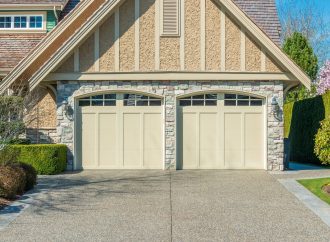
The front entryway serves as the focal point of a home’s exterior, making it a critical element in both design and valuation. Homeowners may choose custom doors for their craftsmanship, unique materials, or visual impact. A real estate agent, however, evaluates these features in terms of durability, security, and compatibility with the home’s architectural style.
Buyers are drawn to entryways that balance form and function. Solid-core doors, advanced locking systems, and weather-resistant materials are increasingly valued. Agents consider whether a custom entryway enhances the home’s overall narrative or feels out of place.
Moreover, the entryway sets the tone for the entire home. It influences how buyers perceive the interior before they even step inside. Agents take this into account when pricing a property, recognizing that a strong first impression can translate into increased interest and potentially more competitive offers.
Market Trends Shaping Valuations
Nowadays the housing market is characterized by a blend of technological innovation and sustainability. Buyers are increasingly prioritizing features that support energy efficiency, smart home integration, and long-term resilience. As a result, architectural windows and doors are no longer viewed as purely decorative elements.
A real estate agent stays attuned to these trends, using them as benchmarks when evaluating a property. For example, homes with energy-efficient glazing or thermally broken frames may be positioned more favorably in listings. Similarly, entryways that incorporate smart locks or integrated lighting systems can appeal to tech-savvy buyers.
These considerations are not about assigning a fixed value to specific features but rather understanding how they contribute to the overall marketability of the home.
Balancing Personalization with Broad Appeal
One of the challenges homeowners face is balancing personal taste with market expectations. While unique design choices can make a home memorable, they may not always resonate with a wide range of buyers. A real estate agent evaluates whether a feature enhances universal appeal or narrows the pool of potential interest.
Architectural windows and doors often sit at this intersection. Sleek, modern designs may attract certain buyers while deterring others who prefer more traditional aesthetics. Agents consider the surrounding neighborhood, comparable properties, and target demographics when assessing how these features will be received.
Curb appeal is more than just a visual statement; it is a reflection of a home’s underlying value. While homeowners may focus on style, a real estate agent interprets architectural features like high-performance glass and custom entryways as indicators of equity and market positioning. In today’s housing landscape, where buyers value both aesthetics and functionality, these elements play a crucial role in shaping perceptions and influencing pricing.