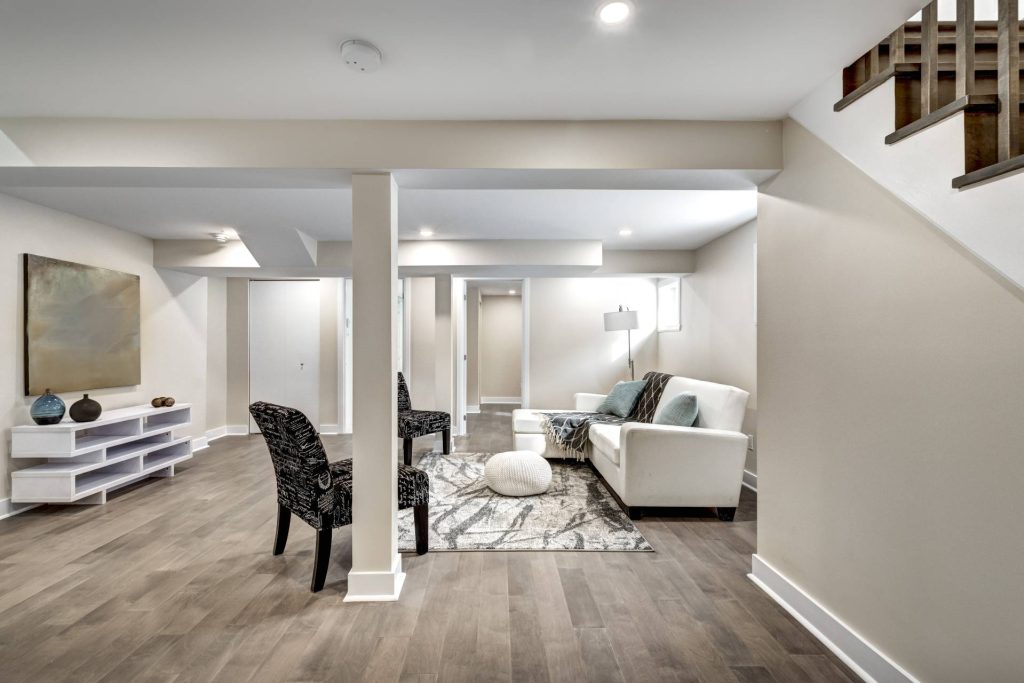
Basement transformations have evolved far beyond simple storage upgrades. With the rise of basement underpinning, homeowners can now increase ceiling height and unlock valuable living space beneath their homes. However, lowering the floor by two or three feet often introduces an unintended consequence: the “cave effect.” The key to overcoming this lies in thoughtful architectural
Basement transformations have evolved far beyond simple storage upgrades. With the rise of basement underpinning, homeowners can now increase ceiling height and unlock valuable living space beneath their homes. However, lowering the floor by two or three feet often introduces an unintended consequence: the “cave effect.” The key to overcoming this lies in thoughtful architectural design—specifically, the strategic integration of high-performance window systems and well-designed window wells.
Understanding the Cave Effect
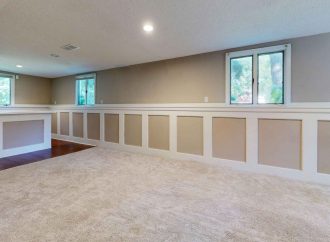
When underpinning deepens a basement, the vertical proportions of the room shift dramatically. While increased ceiling height is desirable, it also means that existing windows sit higher relative to the floor. This reduces the amount of natural light penetrating the space and increases shadowed wall surfaces.
The result is a visual imbalance: more wall area, less daylight, and a heavier, enclosed atmosphere. Recognizing this challenge early in the design phase allows homeowners to pair structural work with lighting solutions that restore balance and openness.
Pairing Basement Underpinning with Window Replacement
A critical step in transforming an underpinned basement is upgrading outdated or undersized windows. Window replacement is not simply about aesthetics—it is about performance, light optimization, and spatial perception.
Modern, high-performance basement windows are designed to:
- Maximize glass surface area for increased daylight
- Improve insulation and energy efficiency
- Enhance ventilation and air quality
By installing larger or repositioned windows during the underpinning process, homeowners can ensure that the new, deeper space benefits from significantly improved light penetration. This pairing of structural excavation and window enhancement creates a cohesive transformation rather than a piecemeal upgrade.
The Power of Deep, Stepped Window Wells
One of the most effective ways to channel natural light into a lowered basement is through the use of deep, stepped window wells. Traditional window wells are often narrow and purely functional, limiting both light and visual appeal. In contrast, modern stepped designs act as light funnels.
These window wells are typically wider at the top and taper toward the window, allowing sunlight to travel more freely into the interior. Reflective materials such as light-colored stone or concrete can further amplify brightness by bouncing light inward.
Key design considerations for stepped window wells include:
- Width and depth: Larger openings capture more daylight throughout the day
- Terracing: Stepped levels reduce shadowing and create visual interest
- Drainage: Proper grading ensures water is directed away from the foundation
- Landscaping integration: Incorporating plants or decorative elements softens the transition between exterior and interior
When executed properly, these wells create a visual connection to the outdoors, reducing the psychological sense of being underground.
Optimizing Window Placement for Maximum Impact
Beyond size and style, window placement plays a crucial role in eliminating the bunker-like feel of an underpinned basement. Strategic positioning ensures that light reaches deeper into the room rather than remaining concentrated near the walls.
Design strategies include:
- Lowering window openings: Aligning windows closer to the new floor height improves sightlines and daylight distribution
- Spacing windows evenly: Multiple smaller windows can often outperform a single large one in terms of light spread
- Corner placement: Windows placed at corners introduce light from multiple angles, reducing dark zones
- Aligning with interior functions: Positioning windows near seating areas, workspaces, or walkways enhances usability and comfort
These decisions should be made in coordination with the overall floor plan to ensure that light supports how the space will actually be used.
Material and Finish Choices That Amplify Light
While structural and window upgrades are essential, interior materials also play a significant role in combating the cave effect. Light-friendly finishes can dramatically enhance the impact of natural daylight.
Consider the following:
- Wall colors: Soft whites and neutral tones reflect light rather than absorb it
- Flooring: Light wood or polished concrete can help distribute brightness across the room
- Ceiling treatments: Smooth, reflective surfaces increase the perception of height and openness
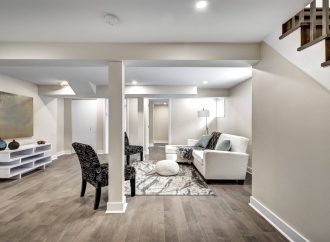
These elements work in tandem with improved window systems to create a cohesive, luminous environment.
Creating a Seamless Indoor-Outdoor Connection
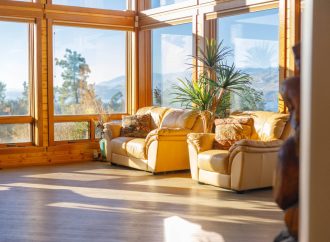
An often-overlooked aspect of basement design is the opportunity to visually connect interior spaces with the exterior environment. Enlarged windows and thoughtfully designed wells can frame outdoor views, making the basement feel less isolated.
The goal is to blur the boundary between inside and outside, transforming the basement from a hidden level into an integrated part of the home.
Transforming an underpinned basement from a dark, bunker-like space into a bright, inviting living area requires more than increased ceiling height. By pairing basement underpinning with strategic window replacement, homeowners can address the root causes of the cave effect. Through deep, stepped window wells, optimized window placement, and light-enhancing interior finishes, natural daylight can be drawn deep into the space. The result is a dramatic shift—from subterranean and enclosed to open, airy, and full of life.