
Most residential windows age quietly. Unlike a dramatic leak after a windstorm that forces immediate roofing repairs, failing windows rarely announce their retirement overnight. Instead, small seals weaken gradually, frames shift imperceptibly through dozens of freeze-thaw cycles, and thermal efficiency slips a fraction every year until living rooms feel chilly and monthly utility bills climb
Most residential windows age quietly. Unlike a dramatic leak after a windstorm that forces immediate roofing repairs, failing windows rarely announce their retirement overnight. Instead, small seals weaken gradually, frames shift imperceptibly through dozens of freeze-thaw cycles, and thermal efficiency slips a fraction every year until living rooms feel chilly and monthly utility bills climb higher than they should. Recognizing early warning signals helps homeowners plan a proactive window replacement on their own schedule rather than scrambling when hardware jams or water starts staining interior trim.
Across Canadian climates, windows endure intense ultraviolet radiation in summer followed by deep sub-zero cold snaps in winter. Paying attention to how your glass, frames, sashes, and surrounding trim behave across changing seasons makes it easy to tell the difference between minor routine maintenance and clear signs that your windows have reached the end of their useful lifespan.
1. Foggy or Milky Condensation Trapped Between the Glass Panes
A light mist on the inside surface of a bathroom or kitchen window after boiling water or taking a hot shower is usually just temporary indoor humidity meeting cool glass. However, when fog, water droplets, or a cloudy mineral haze appears inside the sealed air space between two panes of glass, your window’s insulated glass unit has suffered seal failure.
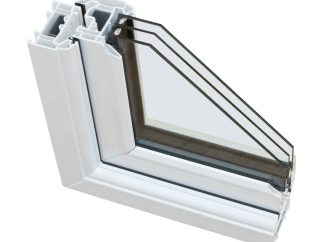
Factory-sealed double- and triple-pane windows rely on airtight perimeter spacers to lock in dense insulating gas such as argon. Once seasonal expansion and contraction crack that seal, the insulating gas leaks out and moist outdoor air gets drawn inside. No amount of wiping on either side will ever clear the haze, and the window loses a major share of its insulating value, leaving that room noticeably colder all winter long.
2. Ice and Heavy Frost Forming on the Inside Edge of the Glass
During severe January cold snaps, finding thick ridges of frost or solid ice along the bottom corners of your interior window glass is a strong sign that the glass surface temperature has dropped below freezing. Older single-pane windows or early double-pane units built with heat-conducting aluminum spacers allow outdoor cold to bridge straight across the glass edge.
When warm indoor air touches that freezing glass perimeter, moisture condenses and immediately turns to frost. Once daytime sunshine or furnace heat melts that ice, water pools directly onto your wooden window sills, saturating paint, swelling trim boards, and creating prime conditions for dark mould growth along the frame corners.
3. Noticeable Drafts Even When Windows Are Closed and Locked
Hold the back of your hand a few inches away from your window frames on a breezy autumn or winter day, or watch whether lightweight curtains sway slightly when the sash is fully latched. Feeling cool air movement around a closed window means the weatherstripping has flattened, frames have warped out of square, or exterior perimeter caulking has cracked away from the siding.
While temporary plastic shrink-film kits or fresh weatherstripping can slow mild air leaks for a season, drafts caused by bowed vinyl, rotted wood, or worn sash tracks cannot be permanently patched. Every gap lets expensive heated air escape continuously, forcing your furnace to run longer cycles while still leaving seating areas near windows uncomfortable.
4. Windows That Stick, Jam, or Refuse to Stay Open
Windows should glide smoothly, tilt easily for cleaning, and lock firmly without requiring shoulder force or a pry bar. When double-hung sashes slam shut unexpectedly because balance springs have snapped, or casement cranks spin freely without pulling the window tight against the frame, aging hardware and frame distortion are to blame.
Beyond daily frustration, sticking or broken windows create genuine safety and security risks. Bedrooms require working egress windows that open effortlessly in an emergency, while worn latches that fail to engage fully leave ground-floor windows vulnerable to forced entry and driving rain.
5. Soft, Cracked, or Water-Stained Frames and Sills
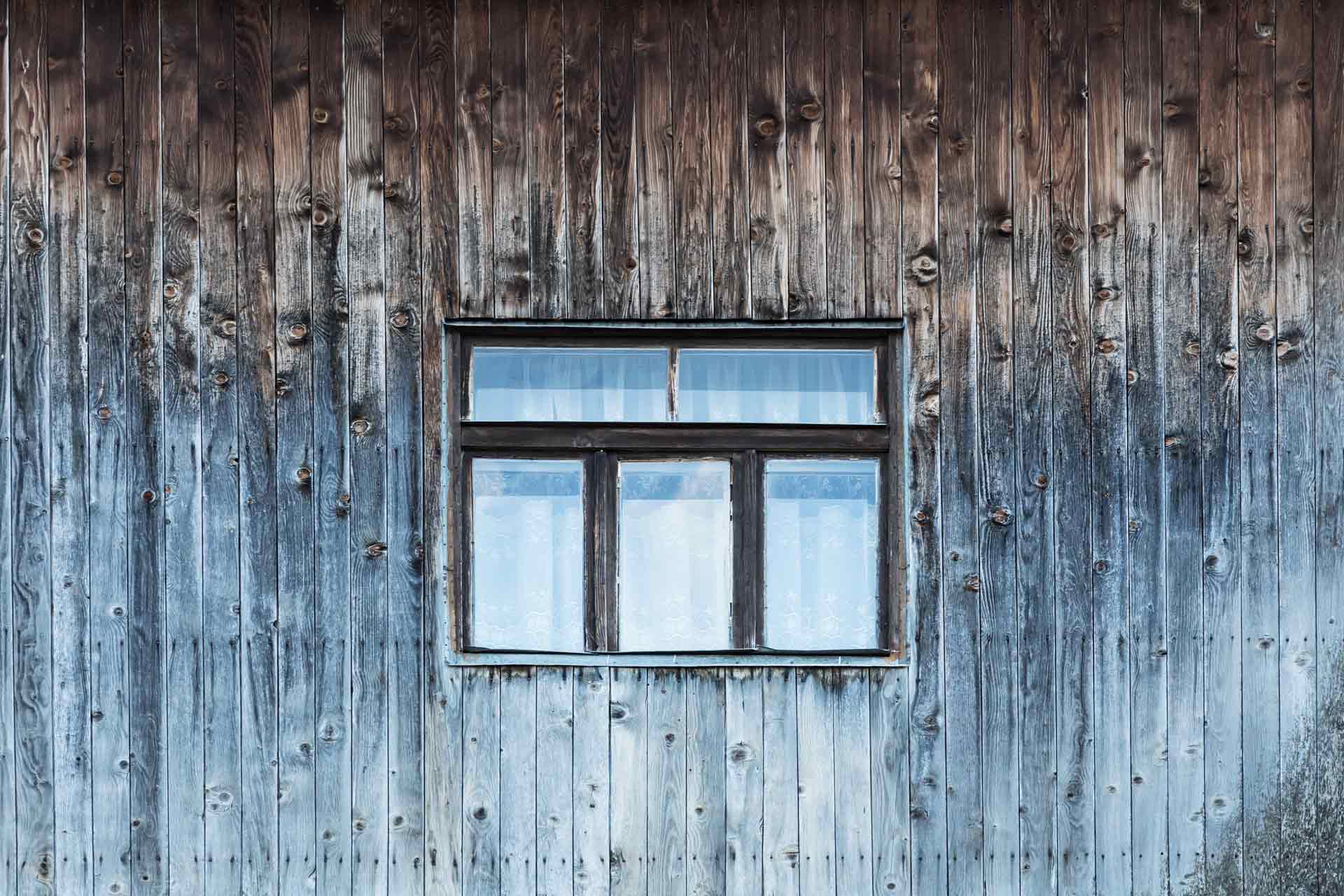
Inspect the wooden casing, interior sills, and exterior brickmould around every window at least twice a year. Peeling paint, dark water stains, soft spongy wood when pressed lightly with a screwdriver, or warped vinyl profiles signal that moisture has been penetrating past exterior seals.
Left unaddressed, water infiltration around a window frame does not stay confined to the trim. Moisture tracks downward into the wall cavity, rotting structural sill plates, soaking wall insulation, and damaging adjacent drywall. Replacing compromised units promptly halts hidden structural decay before repairs extend into surrounding wall framing.
6. Outdoor Street Noise Sounds Almost as Loud as Being Outside
If passing cars, barking dogs, snowplows, or neighbourhood lawnmowers sound nearly as loud inside your living room as they do on the front porch, your windows are no longer providing effective acoustic insulation. Single-pane glass and older thin double-pane units vibrate easily when hit by low-frequency sound waves.
Modern multi-pane windows built with varying glass thicknesses, laminated acoustic interlayers, and wider gas-filled cavities absorb and dampen outside noise dramatically. Homeowners upgrading older windows near busy roads or schools often remark that a quieter, calmer indoor environment is one of the most immediate improvements they notice.
7. Fading Hardwood Floors, Rugs, and Furniture Near Sunny Windows
Take a quick look at the hardwood planks, area rugs, or sofa fabric sitting directly beneath your brightest south- and west-facing windows. Noticeable bleaching or sun-fading happens because older clear glass allows high levels of ultraviolet radiation to stream straight into your living space every afternoon.
Contemporary Low-Emissivity (Low-E) glass coatings act like invisible sunscreen for your home’s interior, blocking up to ninety-five percent of damaging UV rays while still letting natural daylight brighten your rooms. Upgrading aging glass protects your interior furnishings from sun damage while cutting excessive summer heat gain that overworks your air conditioner.
Planning Your Next Step With Confidence
Spotting one or two of these warning signs on a single window might warrant a targeted repair, but noticing foggy panes, drafts, frost, and stiff hardware across multiple rooms is a clear signal that whole-home upgrades will pay off. Modern cold-climate windows transform daily comfort, quiet outside noise, protect interior finishes, and trim utility costs month after month—making your home feel warmer, brighter, and genuinely tighter through every season ahead.