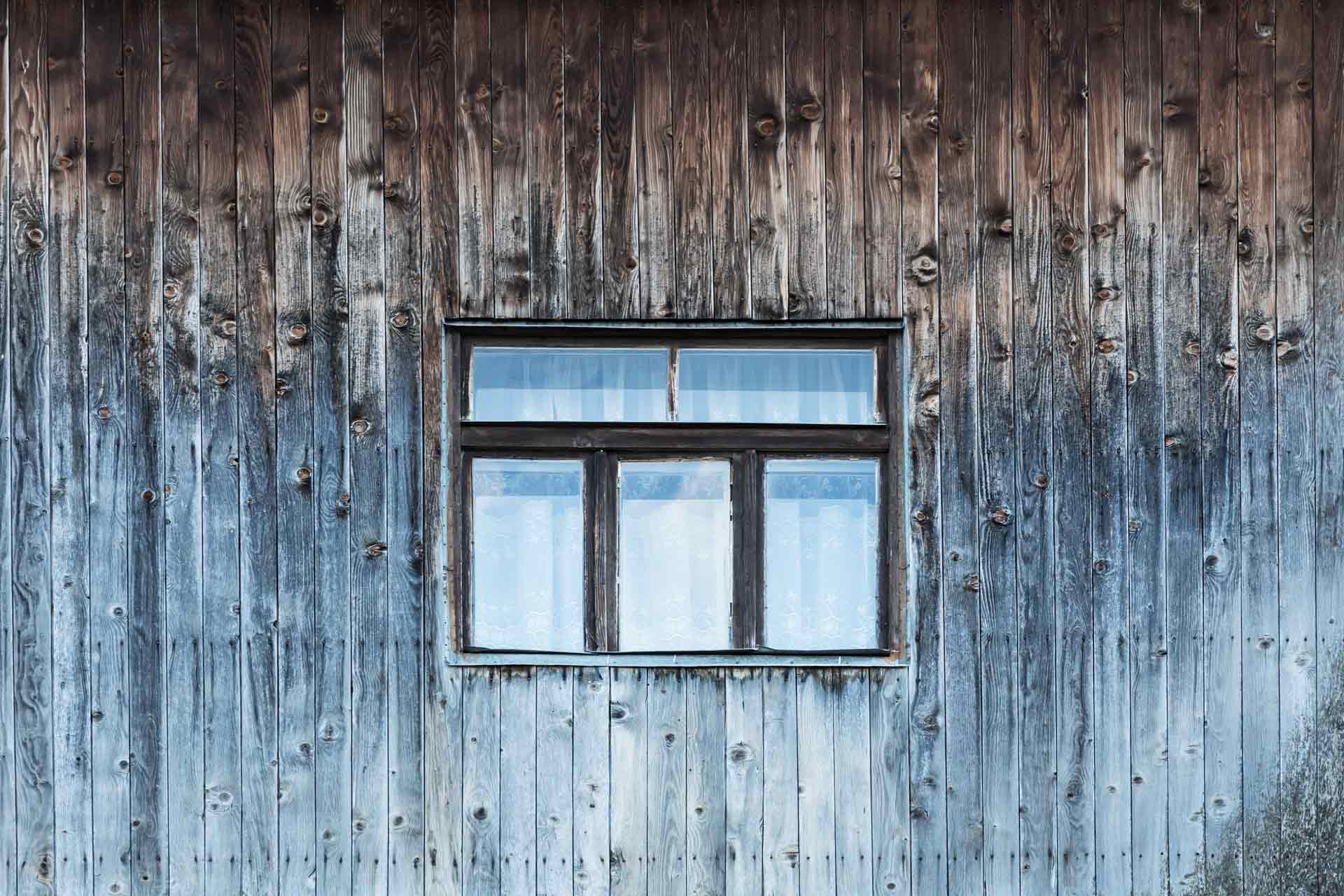

The concept of a “Thermal Anchor” is a critical advancement in 2026 Canadian building science, focusing on how the bottom-most points of a structure dictate the energy efficiency of the entire house. For many older residential properties, the basement is the primary source of “thermal drag,” where cold air is sucked in through foundation cracks
The concept of a “Thermal Anchor” is a critical advancement in 2026 Canadian building science, focusing on how the bottom-most points of a structure dictate the energy efficiency of the entire house. For many older residential properties, the basement is the primary source of “thermal drag,” where cold air is sucked in through foundation cracks and porous masonry while expensive heat escapes through ancient, single-pane glass.
By coordinating basement underpinning with a comprehensive window replacement strategy, you aren’t just gaining living space; you are creating a heavy-duty seal that anchors your home’s climate. This dual-layer approach addresses the “stack effect” at its source, ensuring that your furnace isn’t fighting an uphill battle against rising cold and escaping warmth. When you reinforce the footings and modernize the apertures simultaneously, you transform your home. This change turns a leaky energy sieve into a high-performance sanctuary. Your living space remains stable regardless of the volatile weather outside.
Neutralizing the Stack Effect
In the world of HVAC physics, the “stack effect” refers to the way air moves vertically through your home. Warm air rises and escapes through the attic. This creates a vacuum that pulls cold, damp air in through any gaps at the bottom of the house. Basement underpinning acts as a structural plug for this vacuum by replacing old, crumbly footings with a solid, poured-concrete barrier. This new foundation is significantly less permeable to air and moisture than the original construction of most historical Canadian homes.
By sealing the “footings,” you disrupt the flow of cold air into the basement, which immediately stabilizes the temperature of the floors above. This is the first step in creating a Thermal Anchor that holds your home’s climate in place. When the bottom of the house is airtight, the “suction” that pulls drafts through your main-floor floorboards is eliminated. This creates a more consistent temperature profile from the basement floor all the way to the roofline.
Window Replacement as a Vapour Barrier
While the foundation protects the house from ground-level air, the windows are the primary barrier against atmospheric shifts. Traditional basement windows are notorious for being the weakest link in a home’s exterior envelope, often featuring rusted steel frames and failing caulk. A professional window replacement using triple-pane, gas-filled units acts as a vertical vapour barrier. These modern units are designed with multi-point locking systems that create a literal “compression seal” against the cold Canadian winter.
When paired with an underpinned foundation, these windows ensure that the air you pay to heat stays in your living room rather than being siphoned out through the lower level. This creates a pressurized environment where the furnace can work at a steady, efficient pace. Without new windows, an underpinned basement still feels “drafty” because the glass itself radiates cold. The combination of a new floor and new glass is what truly anchors the internal temperature.
Managing Cold Bridges and Thermal Breaks
A “cold bridge” occurs when a highly conductive material, like old concrete or metal window frames, allows outside temperatures to travel directly into your home. Underpinning provides an opportunity to install modern “thermal breaks” and exterior drainage boards that decouple your living space from the frozen Canadian soil. This prevents the “wicking” of cold temperatures through the foundation walls, which is a major cause of high heating bills.
Similarly, 2026 window technology utilizes vinyl or composite frames that do not conduct heat like the aluminum or wood frames of the past. By eliminating these bridges from the footings to the frames, you create a continuous, uninterrupted layer of insulation. This ensures that the walls of your basement feel as warm as the walls of your second-story bedroom, even in the middle of January. It creates a seamless thermal experience that is immediately noticeable to any inhabitant.
Protecting the HVAC Distribution System
Many Canadian homes have their furnace and main ductwork located in the basement. If that basement is cold and drafty, your heating system has to work twice as hard. This is because the air cools down before it even reaches the vents upstairs. Creating a Thermal Anchor through underpinning and new windows effectively “pre-heats” your mechanical room. This reduces the energy required to bring the air up to the temperature set on your thermostat.
When your furnace operates in a stabilized, 21°C environment, it runs more efficiently and experiences less mechanical stress. This synergy between the structural shell and the mechanical core is the secret to a 20-year furnace lifespan. You are no longer just heating a house; you are maintaining a balanced thermal ecosystem that protects your equipment. An anchored basement is the best gift you can give to your home’s expensive mechanical “heart.”
Hydrostatic Pressure and Insulation
Underpinning isn’t just about depth; it is about moisture management. During the process, interior and exterior waterproofing systems are typically installed to manage hydrostatic pressure from the water table. Dry soil is a much better insulator than wet soil, meaning a dry foundation helps keep the basement warmer naturally. By keeping the earth around your home dry, you are essentially wrapping the house in a warm, earthy blanket.
When you combine this dry foundation with airtight windows, you eliminate the “basement dampness” that leads to high humidity and mould. Low humidity levels make the air feel warmer at lower temperatures. This allows you to turn the thermostat down without sacrificing comfort. This is where structural engineering meets everyday energy savings for the modern homeowner. It is a holistic approach to comfort that addresses both the air temperature and the air quality.
The 2026 Standards for Net-Zero Readiness
As Canadian building codes move toward Net-Zero readiness, the Thermal Anchor approach is becoming the standard for major renovations. A house cannot achieve high efficiency if it is leaking energy through the ground and the glass. By tackling underpinning and windows as a combined project, you are bringing an older home up to modern skyscraper standards. You are essentially rebuilding the home’s “operating system” to be compatible with the future of green energy.
You are creating a “passive” level of comfort where the house naturally retains heat in the winter and stays cool in the summer. This reduces your carbon footprint and prepares your home for a future where energy costs are expected to rise significantly. It is the most responsible way to renovate for the next generation of Canadian homeowners. By sealing the home today, you are protecting its value for decades to come.
A Fortress for Your Comfort
Achieving true thermal stability in the Canadian climate requires a holistic approach that ignores the traditional boundaries between “basement work” and “exterior work.” By creating a Thermal Anchor through basement underpinning and strategic window replacement, you are effectively sealing your home from the ground up, ensuring that your energy dollars are no longer wasted. This combination addresses the structural, mechanical, and environmental challenges of homeownership in 2026. It provides a level of comfort that a standard renovation simply cannot match. Ultimately, an anchored home is a resilient home—one that remains a warm, dry, and efficient sanctuary for your family regardless of what the Canadian winter has in store. Your investment in the “Peak and the Post” ensures that your property remains a high-value asset and a model of modern building science for decades to come.