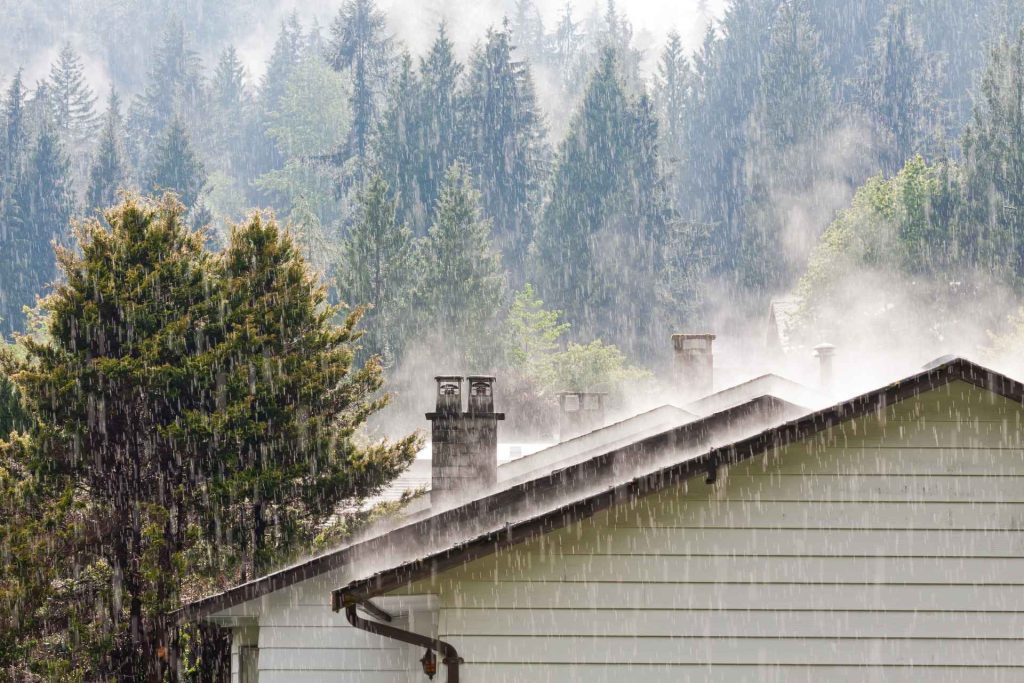
Autumn in Canada brings breathtaking fall foliage. It also brings torrential downpours, windstorms, and rapid temperature shifts. As heavy autumn rains sweep across residential neighbourhoods, water management becomes the single most critical factor in preserving your home’s structural health. Most homeowners know they need to clear dead leaves from their eavestroughs. However, true property protection
Autumn in Canada brings breathtaking fall foliage. It also brings torrential downpours, windstorms, and rapid temperature shifts. As heavy autumn rains sweep across residential neighbourhoods, water management becomes the single most critical factor in preserving your home’s structural health. Most homeowners know they need to clear dead leaves from their eavestroughs. However, true property protection requires a comprehensive defence strategy. You must manage heavy water volumes both high above grade and deep below ground.
Securing your building envelope requires an integrated, two-pronged approach. First, executing a high-performance window replacement project seals your upper wall assemblies and basement window wells against wind-driven rain. Second, scheduling professional catch basin cleaning ensures that surface water runoff from your driveway, patio, and roof downspouts drains away safely. When you combine tight exterior wall seals with unblocked subterranean drainage, your property easily withstands severe autumn storms and subsequent freeze-thaw cycles.
The Quick Edit
- Dual-Zone Protection: Comprehensive storm readiness requires sealing above-grade envelope entry points while clearing below-grade drainage paths.
- Below-Grade Security: Cleaning residential catch basins prevents surface water from backing up against foundation walls and flooding low-lying basement windows.
- Above-Grade Integrity: Modern window replacement featuring multi-point locking hardware and continuous flashing prevents driving rain from penetrating wall framing.
The Hidden Connection Between Roof Runoff and Ground Drainage
During a typical autumn downpour, thousands of litres of rain cascade off your roof deck in a matter of hours. Your eavestroughs and downspouts collect this massive volume of water and channel it toward the ground. However, getting water off your roof is only half the battle. Once that water hits the ground, it must be directed away from your foundation footings.
If your property features a sloped driveway, a low-lying patio, or a paved parking area, it relies on a residential catch basin. A catch basin is a subterranean drain box capped with a heavy grate. It collects surface runoff and directs it into the municipal storm sewer network or a dedicated dry well.
During September and October, falling leaves, twigs, pine needles, and street grit wash directly into these grates. When debris clogs the basin, stormwater has nowhere to go. It pools rapidly across paved surfaces and overflows toward your home’s foundation walls.
When standing water accumulates near your foundation, it seeks the path of least resistance. It presses against basement window wells, seeps past worn window caulking, and creates hydrostatic pressure that cracks lower masonry walls.
Part 1: Below-Ground Defence with Catch Basin Cleaning
A residential catch basin acts as the unsung hero of your yard’s drainage system. It traps heavy sediment and floating debris in a lower sump area before clear water flows into outflow pipes. However, when autumn leaves fill the sump, the entire drainage mechanism grinds to a halt.
Postponing catch basin maintenance until after the first snowfall leads to serious property issues:
- Surface Flooding and Ice Sheeting: Clogged basins cause large puddles to form on driveways and walkways. When overnight temperatures drop below freezing, these puddles turn into dangerous sheets of black ice.
- Hydrostatic Pressure Build-Up: Trapped water saturating the soil around your foundation exerts immense lateral pressure against basement walls, leading to structural cracks.
- Basement Window Well Inundation: Standing water in flooded yards spills directly into lower basement window wells, instantly overwhelming window drains and causing interior basement flooding.
Professional catch basin cleaning removes accumulated sludge, leaves, and trash from the sump pit. Clearing outflow pipes ensures heavy autumn rains drain freely away from your home long before freezing temperatures arrive.
Part 2: Above-Ground Security Through Window Replacement
While clean catch basins handle water at ground level, high-performance windows defend your vertical wall assembly against horizontal, wind-driven rain.
During severe fall storms, strong winds force rain sideways against window panes and frames. Aged double-pane or single-pane windows with cracked vinyl, rotted wood, or dried-out caulking allow water to seep behind exterior trim. This hidden moisture saturates interior drywall, destroys insulation, and breeds hazardous mould within wall cavities.
Investing in a fall window replacement project seals these vulnerable entry points:
Advanced Flashing and Drip Cap Integration
Modern window installation goes far beyond swapping out glass. Professional installers apply self-adhering flashing tape around the entire window opening. They integrate a rigid metal drip cap along the top frame, slipping it beneath the exterior siding. This creates a continuous shingle-lap effect that sheds driving rain outward and away from wall sheathing.
Multi-Point Locking Systems and Heavy Gaskets
Modern energy-efficient windows feature multi-point locking mechanisms that pull the window sash tightly against heavy-duty compression weatherstripping. When locked, these tight seals prevent high winds from driving rain past the sash frame, even during severe storms.
Waterproof Basement Window Wells
Basement egress windows require special attention during autumn. Upgrading old basement windows to modern vinyl or fibreglass awning units—paired with clear, polycarbonate window well covers—keeps direct rainfall out while allowing daylight to brighten lower living spaces.
The Dangerous Cycle of Freeze-Thaw Weather
The combination of poor ground drainage and leaky windows becomes especially destructive when autumn transitions into early winter. Canadian late-fall weather is defined by fluctuating freeze-thaw cycles, where daytime temperatures rise above freezing and plunge below zero overnight.
When a clogged catch basin allows water to pool near your home, that water saturates the surrounding soil. When night arrives and the ground freezes, saturated soil expands significantly. This soil expansion shifts basement window frames, breaks delicate perimeter caulking seals, and creates structural gaps.
The following day, rising temperatures melt surface ice. Meltwater then flows directly into those freshly expanded gaps, entering your wall cavities and basement living space.
Executing fall window replacements and catch basin cleaning breaks this destructive cycle. Clearing subterranean drains prevents soil saturation around your home. Simultaneously, installing modern windows ensures that even if ambient temperatures fluctuate wildly, your window frame seals remain flexible, airtight, and watertight.
A Complete Fall Storm Maintenance Checklist
To ensure your home remains warm, dry, and structurally sound throughout the wet autumn months, follow this seasonal maintenance sequence:
- Inspect Exterior Window Caulking: Check all exterior window perimeters for cracked, shrinking, or missing sealant. Schedule window replacements for aged units showing seal failure or frame rot.
- Clear Eavestroughs and Downspouts: Remove leaves and debris from roof gutters. Ensure downspout extensions discharge water at least six feet away from foundation walls.
- Clean Catch Basin Sump Pits: Remove the top iron grate from your driveway or yard catch basin. Scoop out trapped leaves, organic sludge, and sediment from the lower sump pit, and clear the outflow pipe opening.
- Install Basement Window Well Covers: Clear leaves from inside basement window wells. Install durable, sloped polycarbonate covers over wells to deflect falling rain and debris.
- Verify Sump Pump Operation: Test your basement sump pump by pouring a bucket of water into the sump basin to ensure the float switch activates and pumps water safely away from the house.
Total Storm Protection
Your home’s longevity depends on a proactive defence against seasonal weather. Neglecting below-grade catch basins or ignoring drafty, leaky window frames exposes your property to severe water damage, structural rot, and expensive emergency repairs.
By pairing professional catch basin cleaning with a high-performance window replacement project this autumn, you protect your property from top to bottom. Taking action before winter arrives keeps your home warm, dry, and completely secure through every seasonal storm.